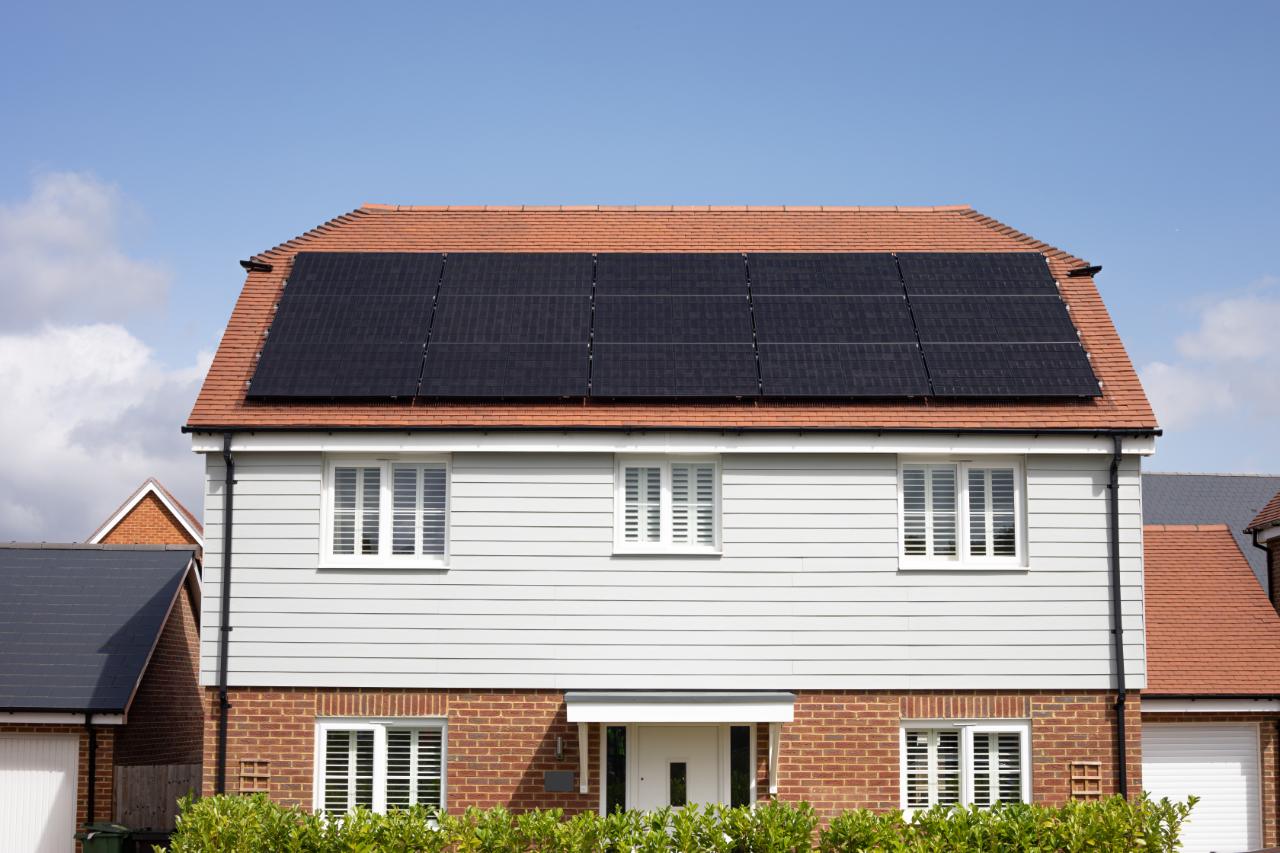
Solar Panels in Chichester
MCS-certified solar panel, battery storage and EV charging installers covering Chichester and the surrounding West Sussex villages — from Georgian townhouses inside the city walls to large detached homes in the Manhood Peninsula.
Why solar works in Chichester
Chichester sits in one of the sunniest parts of the UK, with around 1,800 hours of sunshine a year — noticeably higher than the national average, which lifts annual yield per kW installed. Housing stock varies hugely: period property inside the city walls and in the conservation area often needs an in-roof or all-black array for planning reasons, while the larger detached homes in Tangmere, Selsey and East Wittering suit 6–10 kW arrays with 10–15 kWh batteries. Many rural PO18/PO20 properties are off the gas grid and run oil or heat pumps, so a well-sized battery paired with a smart tariff makes a big dent in winter running costs.
- Portsmouth-based MCS-certified team
- 25-year panel & workmanship warranty
- 0% finance available
- Free no-obligation home survey
Get your free Chichester solar quote
No obligation, no pushy sales — just a tailored quote from a local MCS-certified installer.
Or call us directly on 07376 903530
Solar Panels
Rooftop PV tailored to Chichester homes.
Battery Storage
Store daytime energy for evening use.
EV Charging
Smart chargers integrated with your solar.
Areas we cover around Chichester
4-bed detached, Summersdale (PO19)
Solar FAQs — Chichester
Do I need planning permission for solar panels in Chichester?+
Most installs are permitted development. Properties inside the Chichester city conservation area, in the South Downs National Park, or listed buildings need consent from Chichester District Council (or the National Park Authority). We prepare and submit the application for you and can specify low-profile all-black or in-roof arrays that are far more likely to be approved.
How much can a Chichester home save with solar and battery?+
A typical 4-bed Chichester home with a 6–7 kW array and a 10 kWh+ battery saves £1,500–£1,900 a year, plus roughly £200 from the Smart Export Guarantee. Higher local irradiance means Chichester systems typically out-generate a comparable install further north.
Do you cover the Witterings and Selsey?+
Yes. The whole Manhood Peninsula is in our patch. Anything within a mile of the coast gets salt-mist-certified (IEC 61701) panels, A4 stainless fixings and marine-rated DC cabling as standard.
Is solar worth it on an off-grid-gas Chichester property?+
Usually more so. Homes on oil, LPG or a heat pump have higher and more year-round electricity demand, so self-consumption is high and payback is often under 7 years with a battery on a time-of-use tariff.